Your facility requires consistent cleaning schedules tailored to unique hazards, processing volumes, food allergens, and inspection schedules, with auditable records validating HACCP requirements, compliance audits, and public health regulations. The details below provide guidance on sanitation program requirements.
Key Takeaways
- Brampton's food safety cleaning specialists maintain restaurants, grocery departments, commissaries, warehouses, bakeries, schools, mobile vendors, and allergen-sensitive operations.
- Cross-contamination avoidance is accomplished by cleaning frequently contacted areas, food-contact equipment, kitchens, floors, drains, restrooms, and storage areas with compartmentalized approaches.
- Confirmation of proper chemical concentration, compatibility, and contact time is performed by approved vendors, with finishing documented using samples, reviews, and corrective-action records.
- Proper hygiene calendars factor in threat, production volume, changeovers, spills, and standards when designating routine, periodic, and periodic tasks by area.
- Select vendors with hazard analysis knowledge, public-health, knowledge, safety training, education, coverage, testimonials, color-coded instruments, and compliance-ready hygiene files.
Brampton Facilities That Need Food Safety Cleaning: Which Ones?
Food safety cleaning is required for any Brampton facility that handles, maintains, prepares, packages, or offers food. Apply it to your business if it falls within health inspections, food codes, or HACCP requirements. This includes eateries, cafes, warehouses, supermarket areas, meat markets, fish stands, convenience outlets, and institutional food areas.
Proper hygiene protocols is necessary in supply warehouses, processing plants, freezer locations, commercial bakeries, school food programs, reception facilities, and food delivery centers. Mobile and temporary operations count too, including mobile kitchens, market vendors, and seasonal booths. Your establishment needs documented cleaning protocols should your workers process ingredients, portion ready-to-eat items, reheat products, or store allergens. In Brampton, hygiene is not discretionary; it forms part of legal, operational, and consumer protection compliance.
What Services Do Brampton Cleaning Experts Provide?
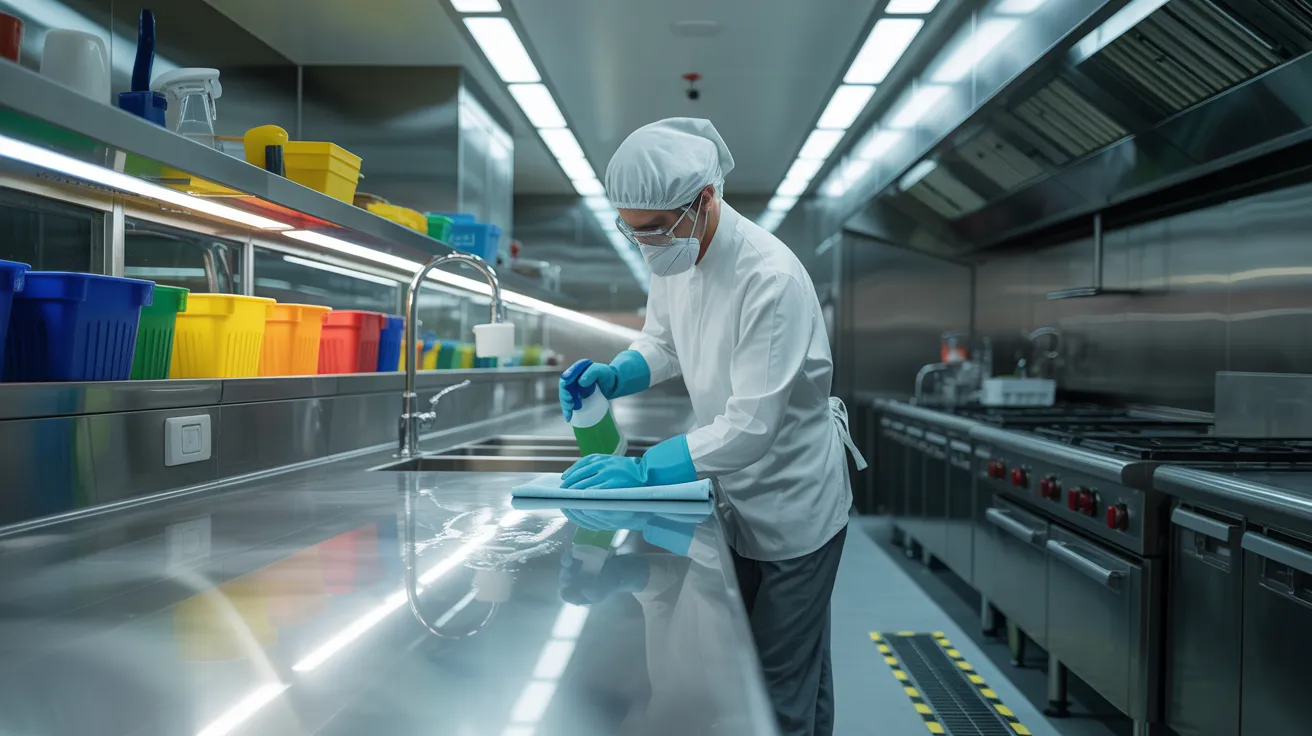
Professional cleaning services specializing in Brampton sanitize touched surfaces, food preparation areas, ground surfaces, and sanitary facilities in compliance with food safety regulations. Emphasis on these spaces occurs because they pose maximum contamination danger, injury hazards, and possible regulatory violations.
If you comprehend their cleaning services, you'll be able to confirm your operation satisfies required operational and regulatory standards.
Sterilizing High-Touch Surfaces
establish a sterilization frequency
swabbing procedures to check sterilization results
Cooking Zones, Walking Surfaces, and Restroom Environments
Expect Brampton cleaning experts to target kitchens, floors, and restrooms because each area carries unique food safety, accident prevention, and public health risks. In industrial kitchens, you need degreasing on cook lines, equipment exteriors, drains, prep surfaces, and splash zones to reduce contamination and pest pressure.
Floor care that is recorded should also be anticipated. Technicians scrub and extract buildup from grout, tile, and vinyl flooring, then apply correct drying techniques so you can limit falls and meet regulatory standards. They also handle entryways where moisture and debris migrate indoors.
Restroom sanitation requires decontaminating touch areas, bathroom equipment, stall barriers, supply stations, and bins, restocking supplies and controlling odours. They also maintain restaurant cleaning supply rooms where product storage, sink cleanliness, and drain systems impact daily sanitation standards and worker protection.
Why Food Safety Cleaning Matters in Brampton
In Brampton, you must maintain sanitary cleaning practices to meet health code requirements and achieve compliance. You also minimize bacterial spread through proper cleaning of food-preparation surfaces, appliances, and frequently-touched items. Most importantly, you help protect public health by lowering the risk of foodborne illness in your facility.
Regulatory Code Requirements
Since Brampton food establishments must follow mandatory safety protocols, your cleaning procedures directly determines your ability to meet health codes, ensure the safety of diners, and eliminate regulatory penalties. You must maintain hygienic food handling zones, documented cleaning schedules, safe chemical management, and auditable operational standards that meet municipal and provincial inspection expectations.
When cleaning standards slip, citations, corrective directives, reputation damage, and service interruption from additional reviews or compliance reviews become risks.
Cross-Contamination Prevention
Adhering to health code standards requires your expertise in stopping cross-contamination throughout routine preparation and sanitation work. You need to isolate uncooked items from finished products, clean prep surfaces between tasks, and store cleaning supplies separately from food. Structured procedures reduce transfer risks and maintain ongoing regulatory adherence.
You should implement allergen segregation to keep priority allergens from contacting shared surfaces, containers, or equipment. Employ separate boards, labeled implements, and strict utensil labeling so employees avoid combining products throughout cooking or serving. Require handwashing after handling raw meat, seafood, eggs, or allergen-containing products. Replace wiping cloths regularly, and verify sanitizer strength with test strips. When staff members receive training on these procedures every shift, you create a cleaner, safer operation that satisfies Brampton's safety standards daily.
Public Health Assurance
If proper sanitation deteriorates, you don't merely face potential inspection issues—you amplify the risk of foodborne illness affecting customers, staff, and the broader Brampton area. You also undermine your responsibility in protecting public health, especially in high-traffic food premises where contamination can spread quickly through surfaces, equipment, and touchpoints.
You require sanitation systems that eliminate soils, sanitize effectively, and validate outcomes. This involves maintaining exposure durations, using authorized sanitizers, documenting procedures, and educating staff to meet regulatory requirements. These controls promote illness spread by minimizing pathogens before reaching surfaces or food. Throughout Brampton, effective sanitation protects vulnerable communities, minimizes disease potential, and demonstrates accountability. When you follow proper protocols, you exceed regulations—you mitigate risk and facilitate secure food handling throughout the area.
In What Ways Does Cleaning Help Achieve Food Safety Compliance?
Prioritizing rigorous cleaning routines reinforces food safety compliance by reducing contamination risks, preventing pathogen multiplication, and keeping your facility aligned with sanitation requirements under HACCP-based programs and public health regulations. You verify that product-contact areas stay visibly clean and microbiologically controlled, backing documented preventive controls and inspection readiness.
Diligent cleaning additionally reinforces allergen management by clearing residues that can trigger undeclared allergen exposure. When you integrate verified sanitation methods with regulatory training, your staff can execute consistent approaches, handle approved chemicals appropriately, complete records accurately, and handle variations prior to issues intensify. Consistent cleaning enables supply chain documentation, verifies corrective steps, and exhibits commitment when audited. Additionally, it assists you maintain product integrity, preserve regulatory compliance, and minimize the likelihood of compliance actions, mass recalls, formal complaints, and unnecessary health dangers.
Determining When to Schedule Commercial Cleaning
high-volume production periods, product switches, spillage events
You should also arrange periodic tasks separately
How Do You Choose Brampton Cleaning Experts?
Evaluate providers first by sanitation compliance standards rather than price alone. You must ensure each provider understands CFIA, public health, and HACCP-aligned expectations for your business. Request insurance proof, WHMIS compliance, staff training documentation, and supervision methods. Check technician awareness of contamination prevention, chemical comprehensive guide safety, and traceable sanitation records.
You should also assess business dependability and accountability. Request references from Brampton food businesses, then examine turnaround periods, corrective-action procedures, and communication standards. Confirm the company participates in supplier audits and can present audit-ready records when regulators or third parties request evidence. Check whether equipment is maintained is performed, colour-coded tools are used appropriately, and site-specific hazards are recognized. A qualified provider protects regulatory adherence, product quality, and your brand reputation.
Which elements are contained in a Food Safety Cleaning Plan?
Put together a written program that establishes every sanitation duty, standard, and accountability ahead of production commencement. You should specify cleaning frequencies, approved chemicals, dilution rates, contact times, tools, and verification methods for each zone, surface, and piece of equipment. Add pre-operational inspections, corrective actions, and employee training requirements.
Your plan should also address contamination prevention, garbage management, pest control procedures, and recorded timelines for restrooms, drains, floors, and food-contact areas. Detail how you'll keep raw and prepared foods apart, enable ingredient tracking, and ensure accurate allergen labeling through validated cleaning between product changes. You should designate accountability, keep signed records, and compare results against regulatory standards, HACCP controls, and customer requirements. When gaps appear, revise procedures immediately and re-educate staff.
Regular Posed Questions
Will cleaning services handle overnight shifts at Brampton properties?
Yes, you can schedule cleaning services to accommodate overnight shifts in Brampton facilities. You'll arrange nighttime cleaning around operational schedules, access controls, and personnel needs. Providers typically map overnight procedures to reduce disruption, maintain compliance, and record finished work. You should verify arrival timeframes, supervision, access protocols, and waste handling before service begins.
Will Brampton cleaning experts address hazardous incidents?
Yes, you can expect many Brampton sanitation professionals to offer emergency spill response services. They handle hazard containment, assess risks, isolate affected areas, and start rapid decontamination to minimize risk and operational disruption. You should verify arrival timeframes, training certifications, PPE protocols, and disposal procedures. If your facility must comply with industry standards, select a service that documents incidents, maintains regulatory procedures, and supports audit readiness.
Do eco-friendly disinfectants work safely on food-contact surfaces?
Absolutely, eco-friendly disinfectants are secure for food preparation areas when you pick products labeled food safe and satisfying regulatory requirements. You must confirm application timing, dilution ratios, and rinse protocols ahead of deployment. Natural-based solutions lower chemical hazards, though you should gather confirmation of performance against harmful bacteria. For preserving residue-free areas, implement exact manufacturer guidelines and verify your cleaning agent adheres to food sanitation requirements.
Can cleaning schedules change with production fluctuations?
Absolutely, sanitation programs allow customization for seasonal shifts. Modify frequencies, staffing, chemicals, and verification steps to fit production rhythms while preserving compliance standards. Minimize equipment downtime through organizing sanitation amid line changes, peak seasons, and usage cycles. Additionally, update SSOPs, training, and environmental monitoring to reflect temporary risks, emerging allergens, or higher contamination levels. Ongoing evaluations ensure the schedule efficient.
Are professional cleaning companies providing employee instruction on hygiene protocols?
Yes, commercial cleaners typically educate your staff on sanitation best practices. You receive staff training on correct chemical application, exposure periods, cross-contamination prevention, machine breakdown, and record keeping. They typically align instruction with HACCP, GMP, and CFIA or regional health department regulations. Many perform hygiene inspections to verify compliance, spot deficiencies, and strengthen remedial steps. This allows you to maintain consistent procedures, pass inspections, and minimize contamination hazards regularly.
Conclusion
Partnering with Brampton commercial cleaning and food safety experts means more than cleaning—it ensures your facility stays inspection-compliant and your standards remain compliant. From kitchen areas to production zones, each cleaned area and maintained corner lessens contamination risk and prevents major expenses. By arranging service at suitable frequencies and executing a comprehensive cleaning strategy, you shield staff, your customers, and your reputation. In a heavily regulated sector, clean environments can't be overlooked—they're critical to business success.